Book noteBuilding companies
Practical business books
Much of business is about to-do items and practical steps to follow. The below books belong to this category of getting things done but no point re-inventing the wheel

Much of business is about to-do items and practical steps to follow. The below books belong to this category of getting things done but no point re-inventing the wheel. They are more about doing and less about thinking. So get your hands dirty and make it happen.
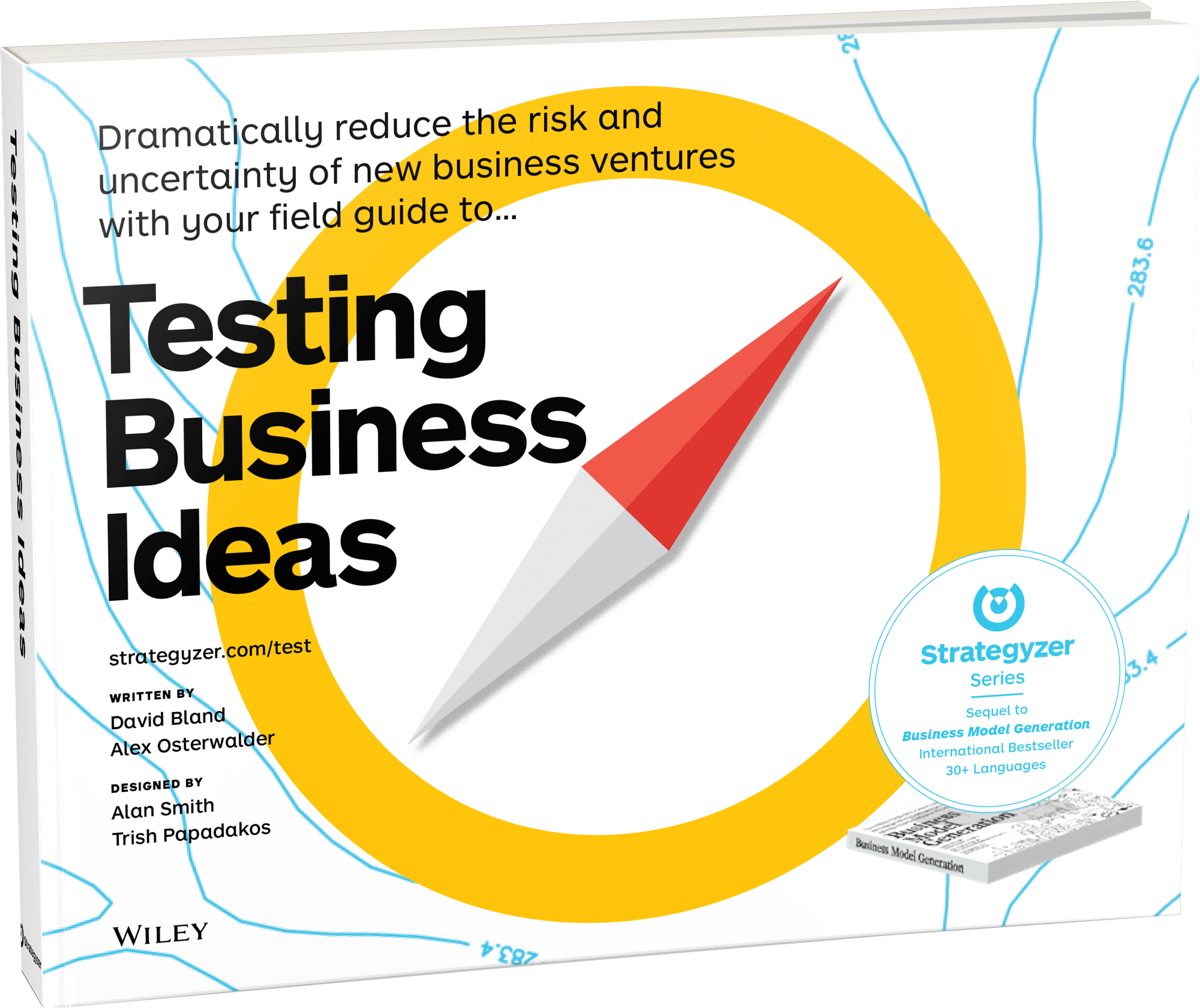
Testing business ideas is a concise yet colourful way of shaping your business from an idea to revenue generating value proposition. The book flows from designing your team and idea towards testing and experimenting, and finally keeping the relevant pitfalls and other considerations in mind. If you like the Strategyzer series this goes nicely together with the other books.
Storytelling with data – Let’s Practice! builds upon the bestseller Storytelling with data that is widely used as a textbook in universities. The book is not your boring statistics treatise but easy to thumb thru guide for finding the best ways to get your message across based on your audience, context and the core message. There are practical examples and exercises that guide into deeper understanding of data visualisation for business purposes.
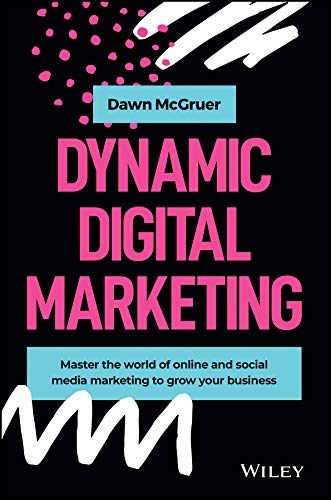
Dynamic Digital Marketing walks you through your first 90-days of creating and building your digital marketing plan. It all starts from research and basic decisions involving customer journey, value proposition, digital channels and key metrics among others. Altogether the book shows in concrete steps what is relevant, where to focus and how to do it in practise.
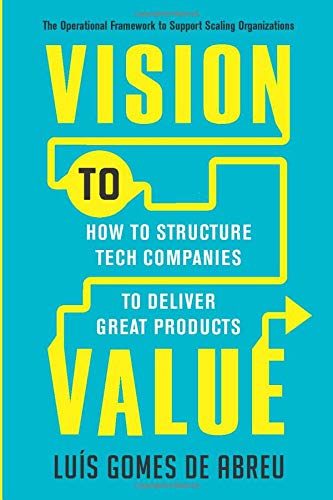
Vision to Value focuses on software companies from the perspective of a growth company COO. It introduces the vision to value framework that is gearing the organisational structures towards delivering quality products with feedback mechanisms to enhance the overall processes along the way. Growth companies are dynamic in nature and all the processes are more or less in constant need of change, improvement and adjustment. The framework aims to keep the end-user value in mind so that the processes are arranged towards delivering value to customers and not for the organisations own sake or just being efficient with all the processes and compliance.
From the shelfAll book notes →
- Decoded and Selling in a Crisis13 Nov 2022

- Age of Invisible Machines9 Oct 2022
- Summer readings16 Aug 2022
- How to reboot the society – The Network State way7 Aug 2022
- The Business of Belonging9 Apr 2021
- Startup CEO26 Mar 2021